Marguerite Humeau
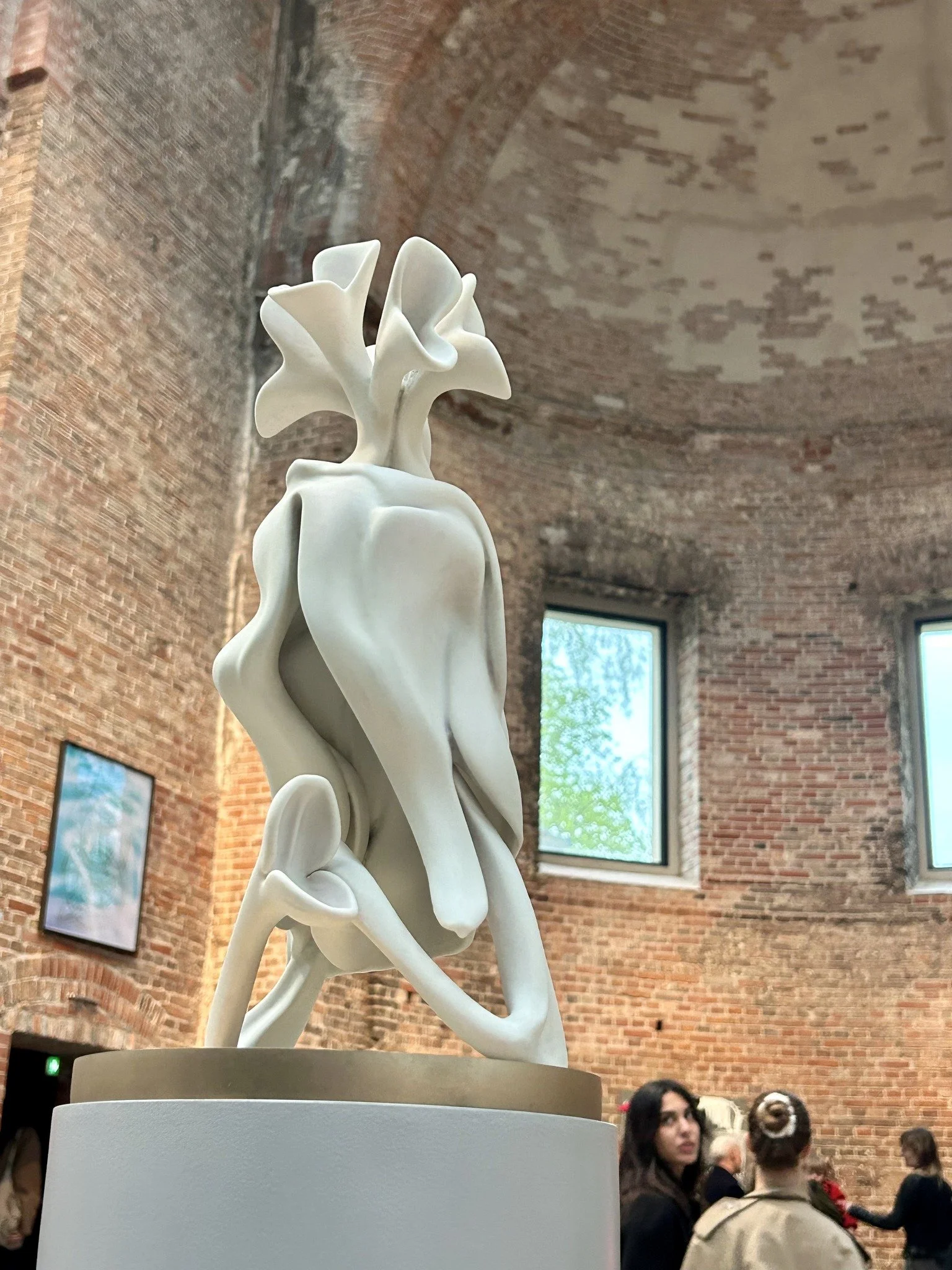
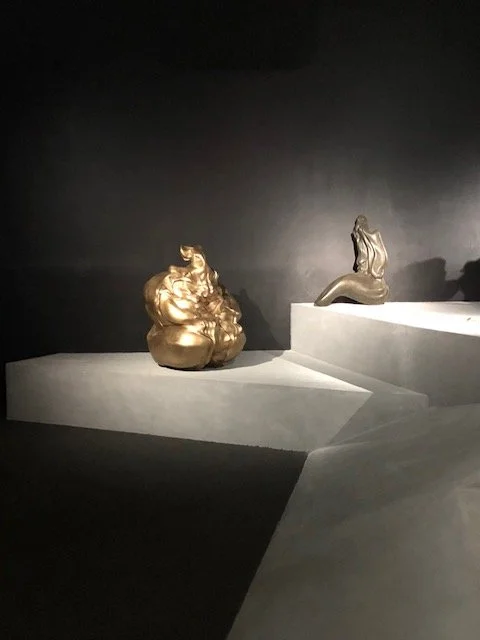
Two-Headed Venus, 2018bronze52 x 47 x 40 cm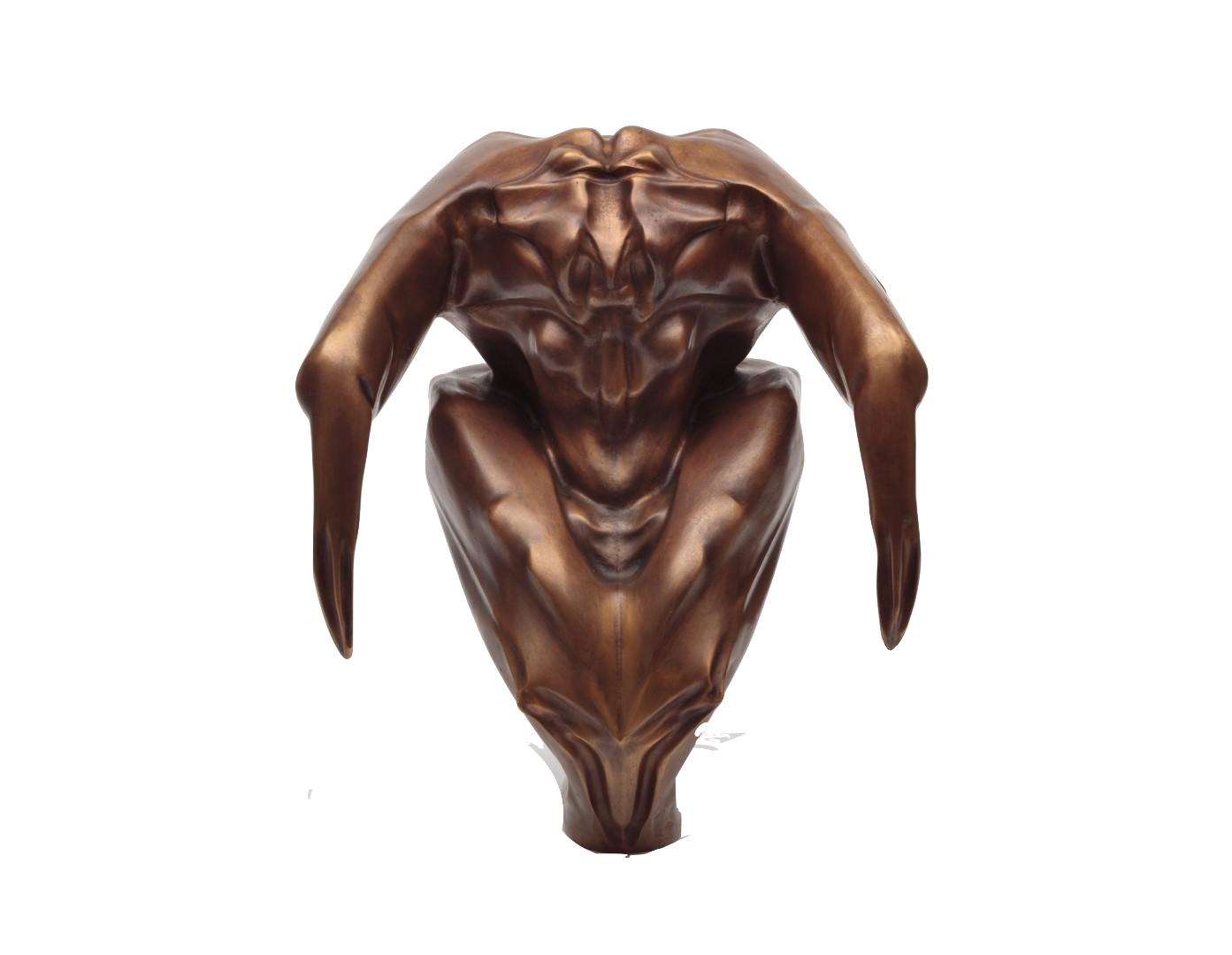
About the work
Marguerite Humeau brings scientific research into dialogue with speculation and poetic imagination. Her anthropomorphic sculptures and immersive installations place physical and sensory experience at their centre. Each project begins with an extended period of research involving scientists, academics and specialists from different disciplines. She describes this approach as pushing the boundaries of established knowledge and confronting experts with gaps in their understanding, exploring what happens when science ends and speculation begins.
For the series Birth Canal, Humeau investigated prehistoric Venus figurines: small female figures found at archaeological sites around the world. Her research led her to a speculative hypothesis that early modern humans might have consumed animal brains for their supposed psychoactive effects. Within this imagined scenario, the figurines become ritual guides or anatomical maps for shamans seeking spiritual experiences through altered states of consciousness, rather than symbols of fertility.
The installation transports viewers to an imagined scene some 150,000 years ago, around the period in which “Mitochondrial Eve”—the most recent common female ancestor of all living humans through the maternal line—is thought to have lived. Designed digitally and meticulously cast in bronze, the sculptures remain deliberately ambiguous. Resembling both human brains and prehistoric Venus figures, they represent shamanic women of different ages.
Two-Headed Venus has a seductive yet otherworldly presence. It evokes the tradition of ancient sculpture while also suggesting affinities with the work of Sherrie Levine and Constantin Brancusi.
Through references to animism, totemism and spiritual journeys, Humeau constructs a fictional meeting place for imagined voices and ancient visions. She sets human history within a much broader perspective, emphasising the brevity of our existence against the immense timescales of the Earth and the universe.
Marguerite Humeau
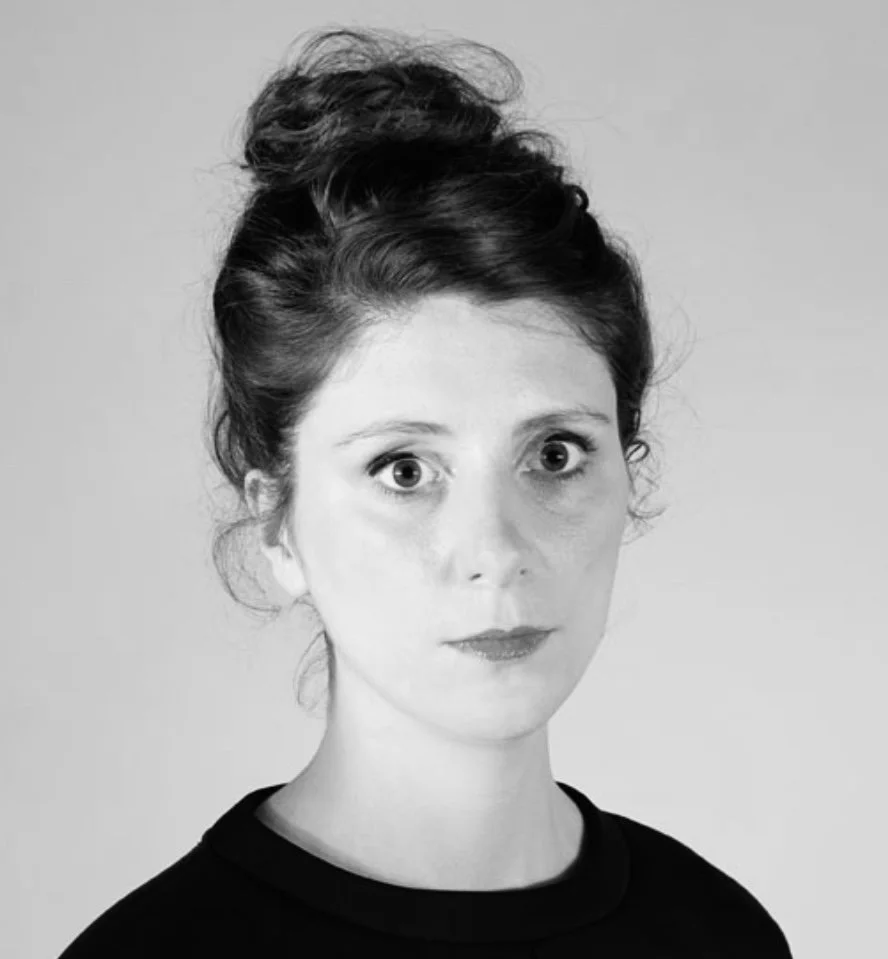
Born in Chalet, France, in 1986, Marguerite Humeau lives and works in London. She received her master’s degree from the Royal College of Art in 2011 and developed an international practice connecting science, fiction and speculative imagination.
Her solo exhibitions include presentations at HAM—Helsinki Art Museum (2025), ARKEN Museum of Contemporary Art in Ishøj (2025), ICA Miami (2024), Lafayette Anticipations in Paris (2021), Kunstverein Hamburg and Museion in Bolzano (both 2019), the New Museum in New York (2018), Tate Britain, Museum Haus Konstruktiv in Zurich and Schinkel Pavillon in Berlin (all 2017), and Nottingham Contemporary and Palais de Tokyo in Paris (both 2016).
Group exhibitions include the Hayward Gallery in London (2024), Kunsthalle Basel (2021), the Istanbul Biennial, Centre Pompidou and Musée d’Art Moderne de la Ville de Paris (all 2019), the High Line in New York, the Palace of Versailles, Kunsthal Charlottenborg and FRAC Midi-Pyrénées (all 2017), and the Serpentine Galleries and Victoria and Albert Museum in London (both 2014).
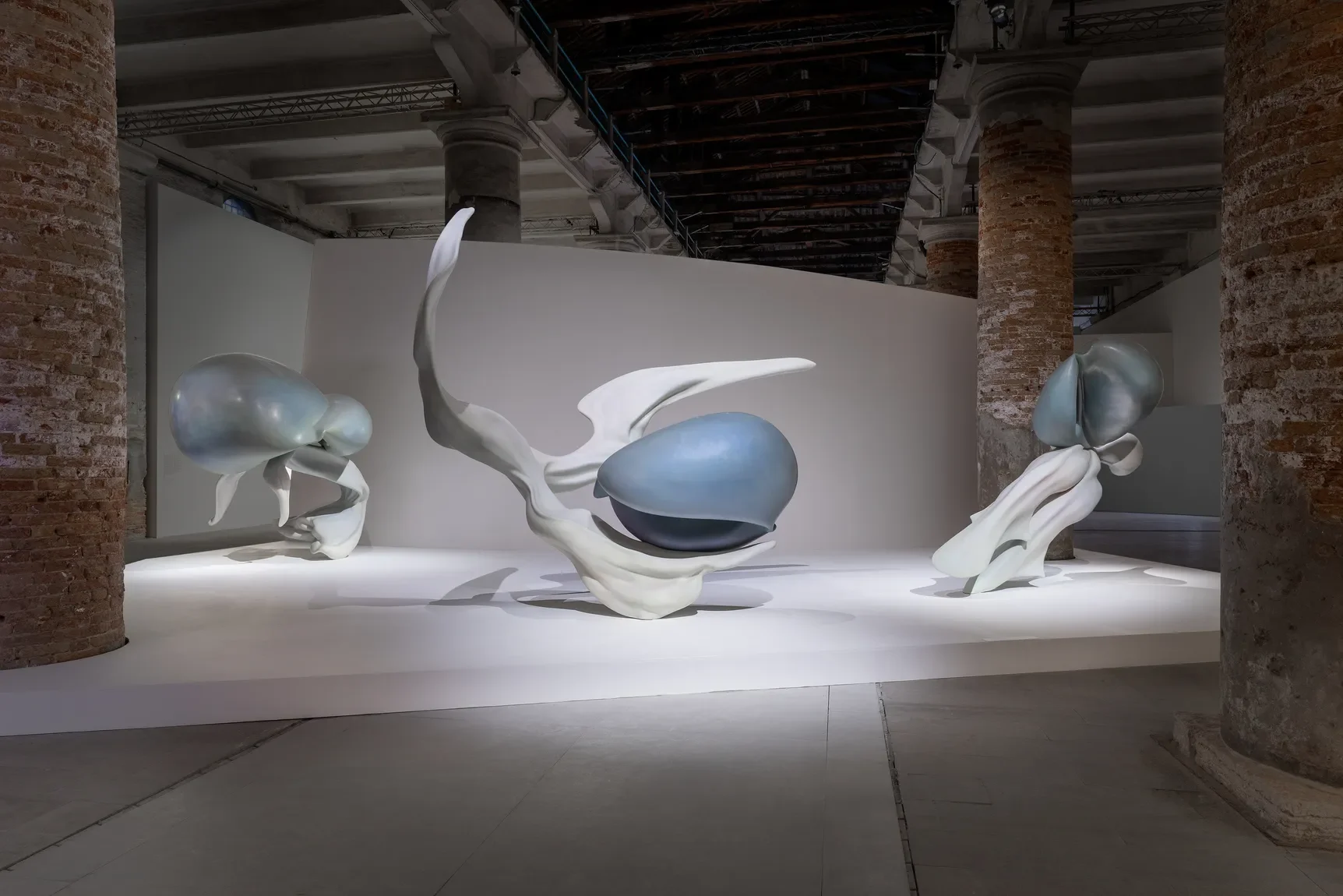
She participated in the 15th Gwangju Biennale (2024), the 59th Venice Biennale, curated by Cecilia Alemani, and the 23rd Biennale of Sydney (both 2022).
In 2023, Humeau created Orisons, a land art project spanning approximately 65 hectares in Colorado’s San Luis Valley. Produced and curated by Denver’s Black Cube Nomadic Art Museum, it is described as one of the largest earthworks ever realised by a woman artist.
In 2026, she was nominated for the Turner Prize for Torches, presented at ARKEN in Denmark before travelling to HAM—Helsinki Art Museum in 2025–2026.
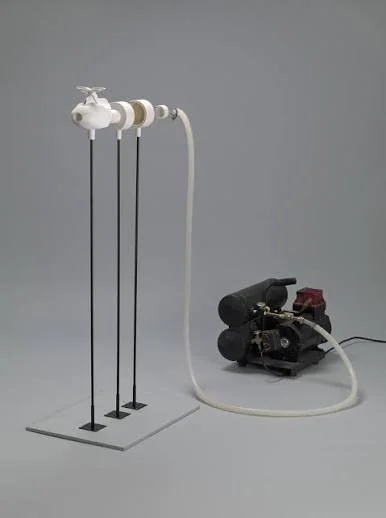
Humeau first attracted international attention with her ambitious graduation project: an opera performed using epoxy models she had made of dinosaur vocal cords. The work entered the collection of the Museum of Modern Art in New York.
Artist Talk
Portfolio