Josh Kline
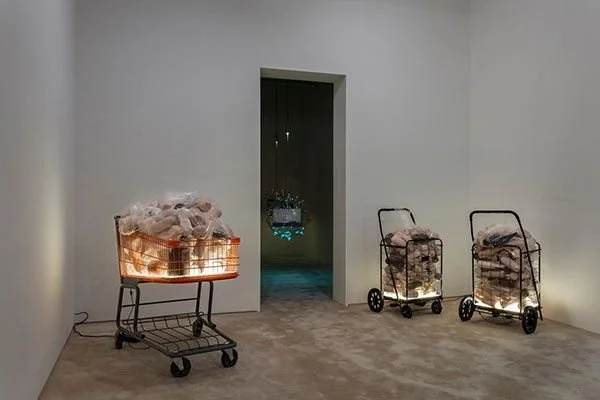
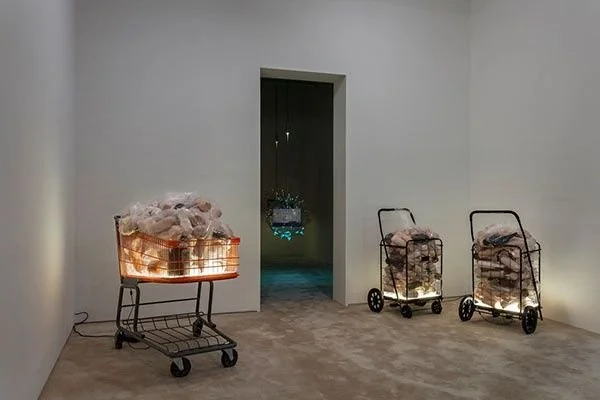
Deletion, 2016Sculpture in polyethylene terephthalate (PET), shopping trolley, polyethylene bags, rubber, Plexiglas, LEDs and power supply.101 x 60 x 83 cm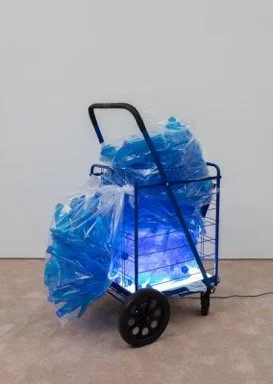
About the work
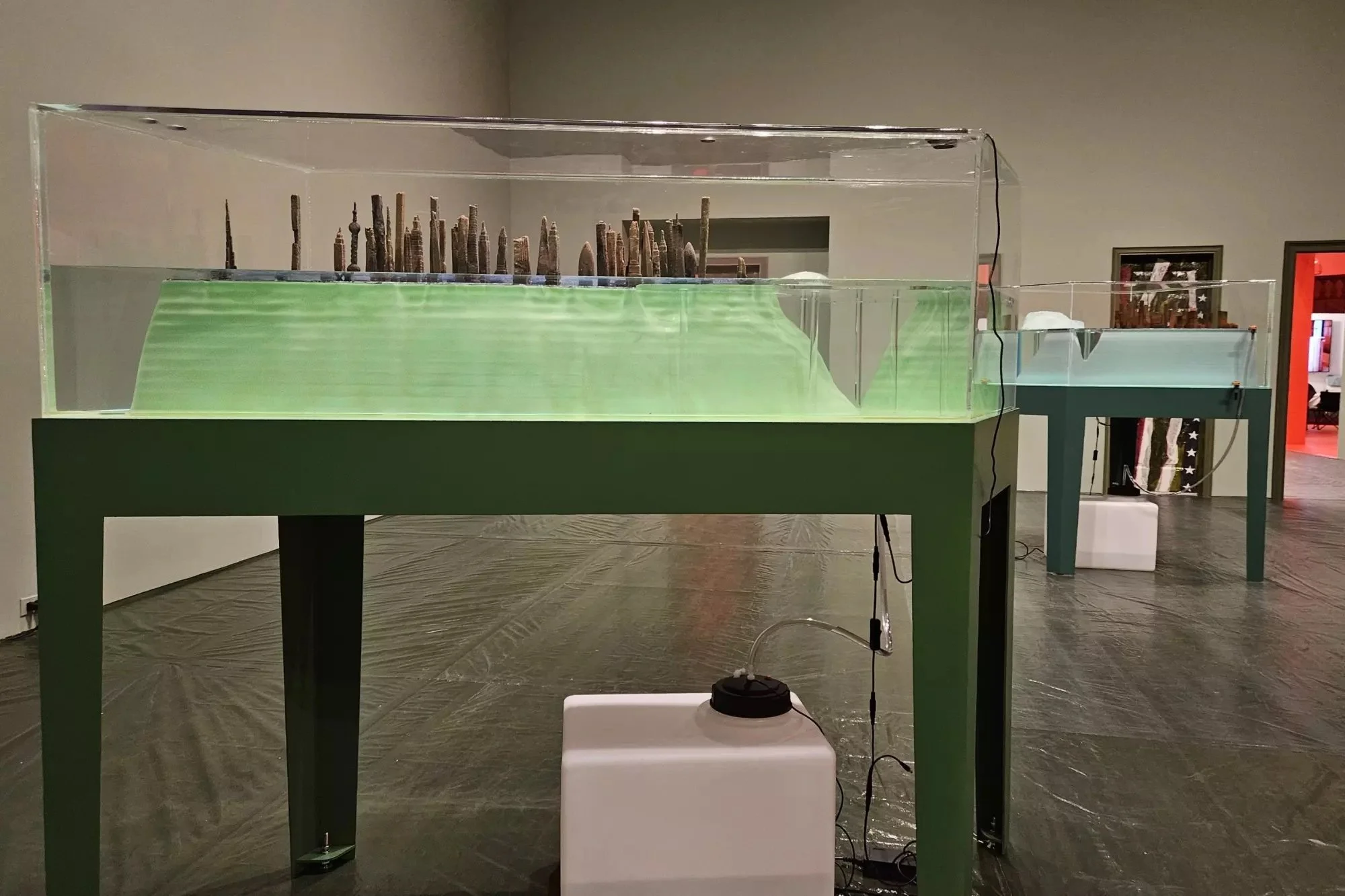
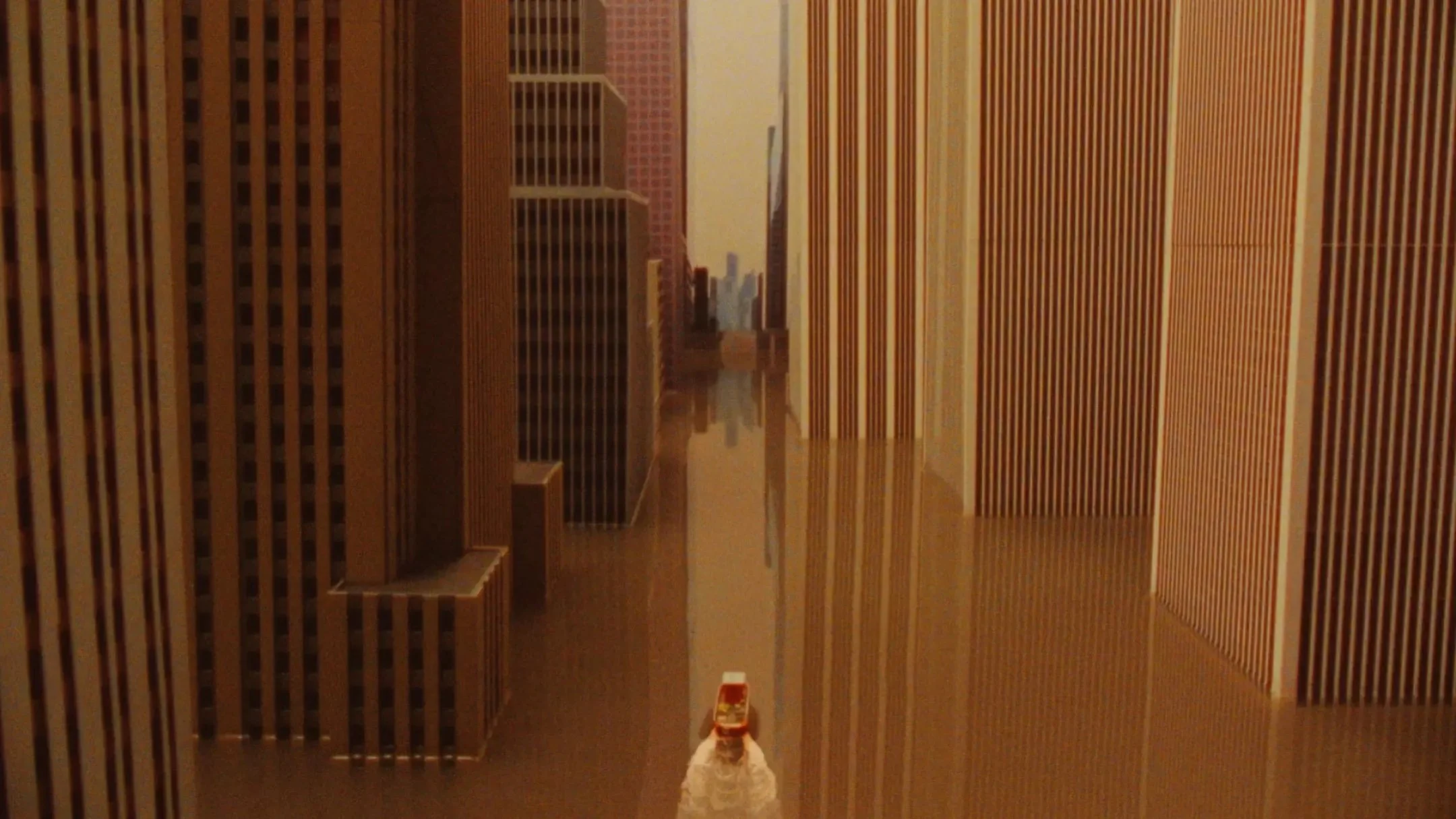
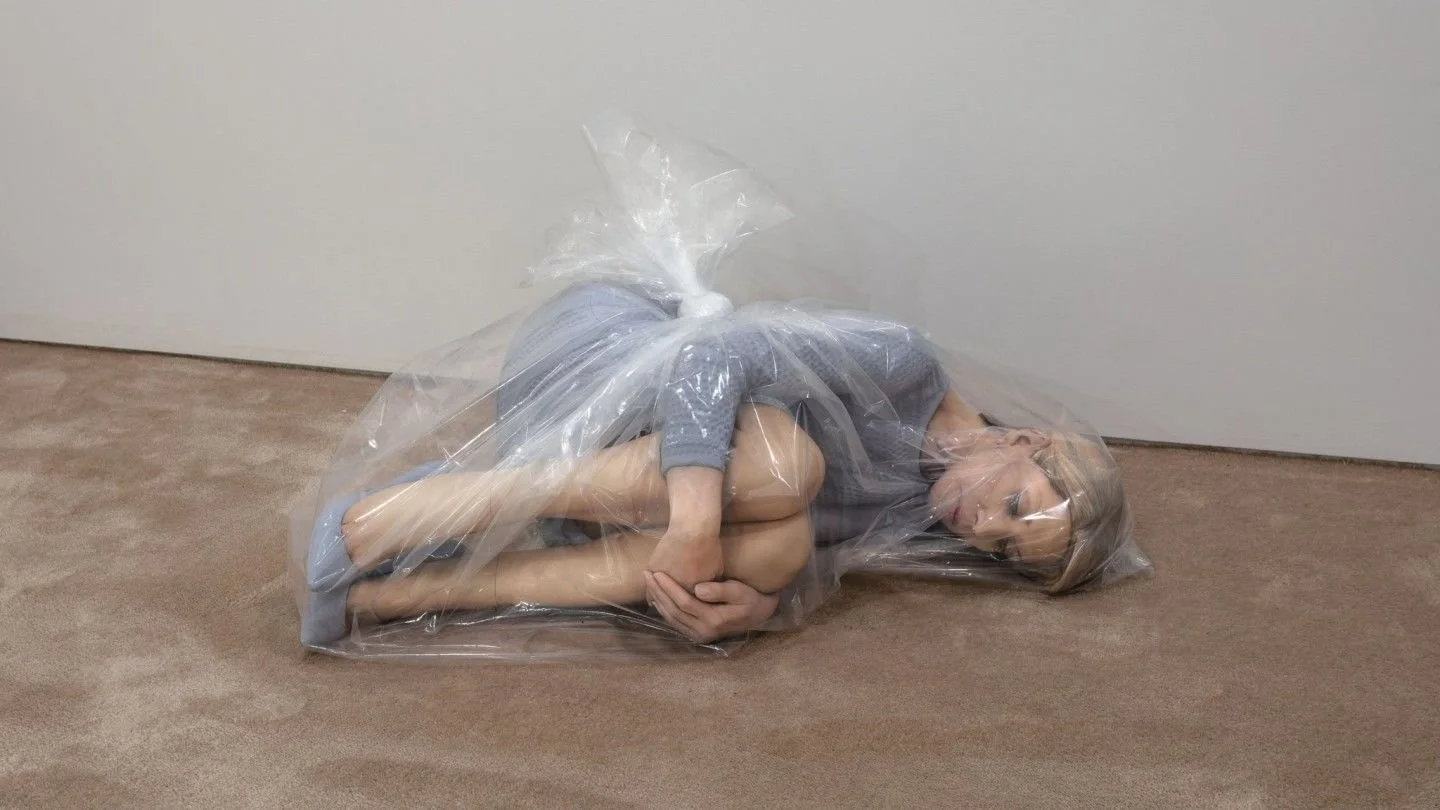
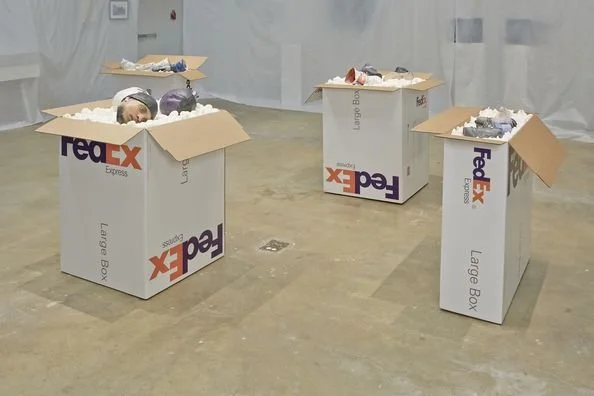
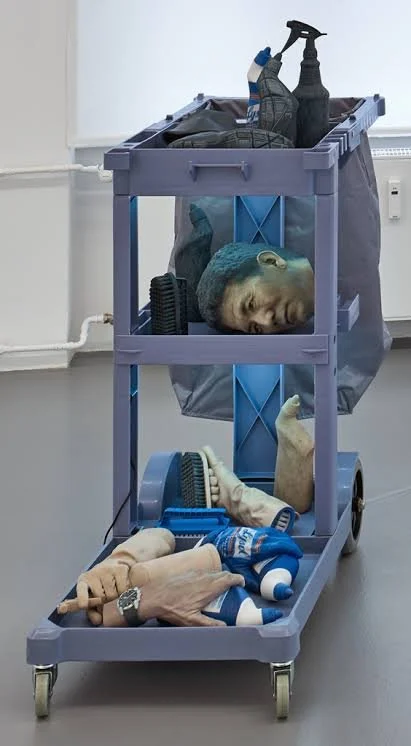
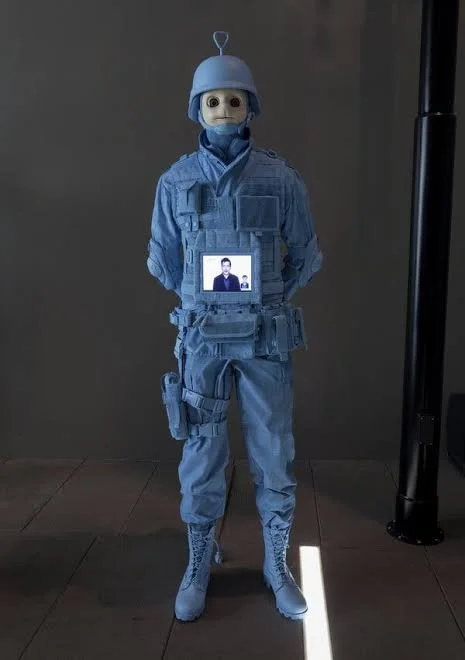
What happens to people when machines take over their jobs? This question lies at the heart of Josh Kline’s practice. Through sculpture, video and installation, the American artist explores how automation, artificial intelligence and digitalisation transform our identities, our bodies and our place in society.
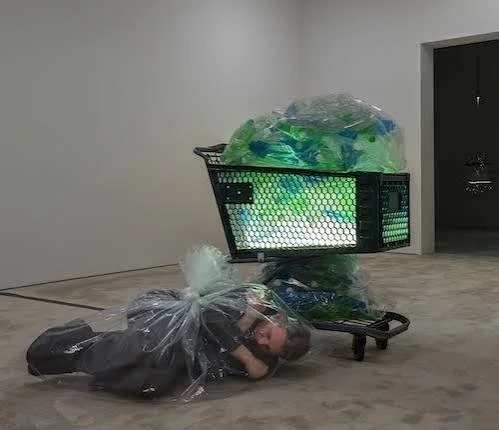
Deletion belongs to the series Unemployment, in which Kline imagines a dystopian future. Machines perform almost all work, while an unchecked free-market economy has rendered millions of people economically redundant. For much of the middle class, employment has disappeared for good. Yet even those who no longer have a place in the labour market still have bodies that need food and somewhere to live.
In Deletion, plastic deposit bottles take the form of human hands. These bottles evoke the discarded containers that people collect to earn enough money to survive. The hands, with which we work, create and care for others, become associated with disposable packaging. Human beings and waste merge in an unsettling way.
The work exposes a painful paradox. An economic system that regards people as “human capital” risks discarding them as soon as their labour ceases to generate a return. What becomes of their place in society when their economic value disappears?
The title Deletion takes on a disturbing significance. Kline shows how people can be erased from the economic system while their physical needs remain. His sculpture asks how a society treats those whose labour it no longer requires.
Josh Kline

° 1979, Philadelphia. Josh Kline lives and works in New York.
His multidisciplinary practice encompasses installation, video, sculpture and photography. He frequently uses the very technologies and visual strategies he critically examines: digital image manipulation, 3D printing, artificial intelligence and the visual language of commercial and political advertising.
His work connects technological developments with urgent social concerns, including growing inequality, climate change, automation and pandemics. At its centre are the people who keep society running and the pressures that economic systems place on their bodies and lives. His early use of deepfake technology also raised questions about the reliability of images and the influence of manipulation and propaganda.
In 2023, the Whitney Museum of American Art in New York presented the first major US museum retrospective of his work. A substantial solo exhibition followed at the Museum of Contemporary Art in Los Angeles in 2024. That same year, he participated in the Biennale of Sydney and the Yokohama Triennale.
His work has been exhibited internationally and is held in collections including the Museum of Modern Art, the Solomon R. Guggenheim Museum and the Whitney Museum of American Art in New York, the Baltimore Museum of Art and the Museum of Contemporary Art in Los Angeles.
Artist Talk
Portfolio